
Markets
Manufacturing
Pulp, paper, and wood products plants with live production and shutdown windows. We schedule around both and plan demolition, decommissioning, and asset recovery as one sequence, so the people running the plant know what to expect before equipment moves.
What defines it
Plants that keep operating while the work happens around them.
Manufacturing demolition follows business decisions: a plant consolidates, a line is retired, a site is sold. When part of a site stays in production, the work has to be planned around live operations, utilities, and shipping.
The equipment and metal inside often carry real value, which makes asset recovery part of the project from the first day.
Our crews have worked in pulp, paper, chemical, power, and wood products plants.
How we plan
- Operations first. Work zones, utility isolation, and schedules are agreed with plant management before equipment moves.
- Shutdown windows. Work is sequenced around production and shutdown windows, with demolition, decommissioning, and asset recovery planned as one sequence.
- Asset recovery in scope. Equipment and metals are inventoried and recovered as part of the work, which can offset project cost.
- Selective where needed. Dismantling and selective demolition keep the parts of a plant that stay in service running.
- Material management and recycling. Regulated materials are identified, abated, and tracked, and metals, concrete, and other materials are sorted and recycled.

In detail
Each step is adjusted to the site and the project.
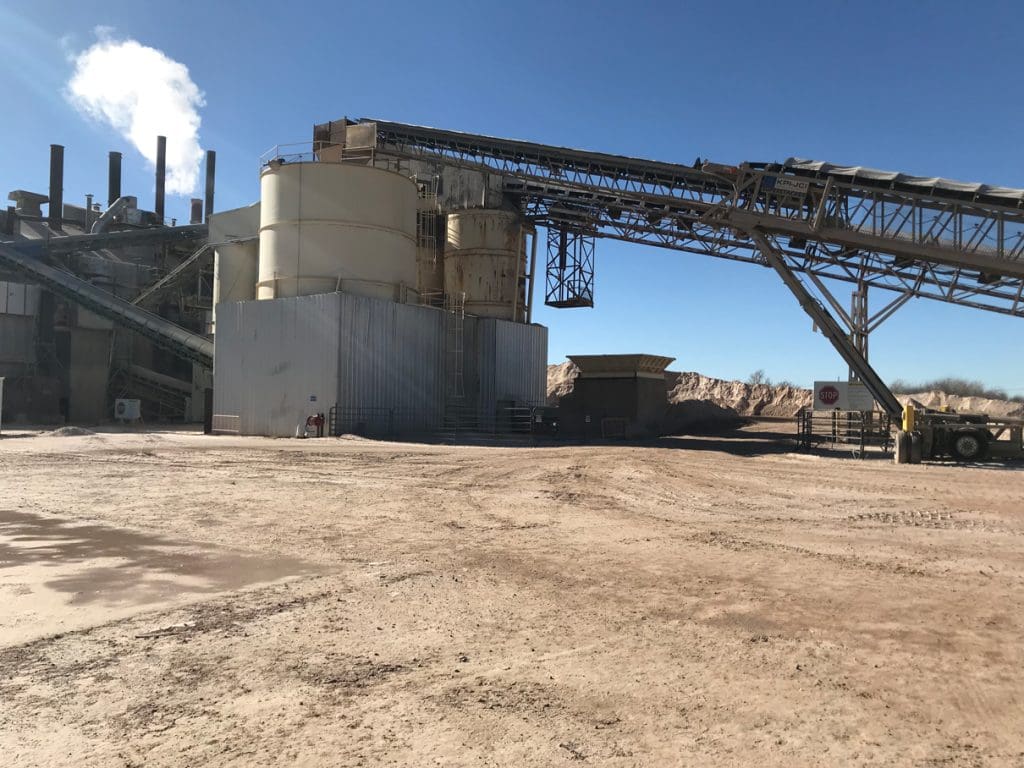
Operations first
Work zones, utility isolation, and schedules are agreed with plant management first, so production knows what to expect before equipment moves.
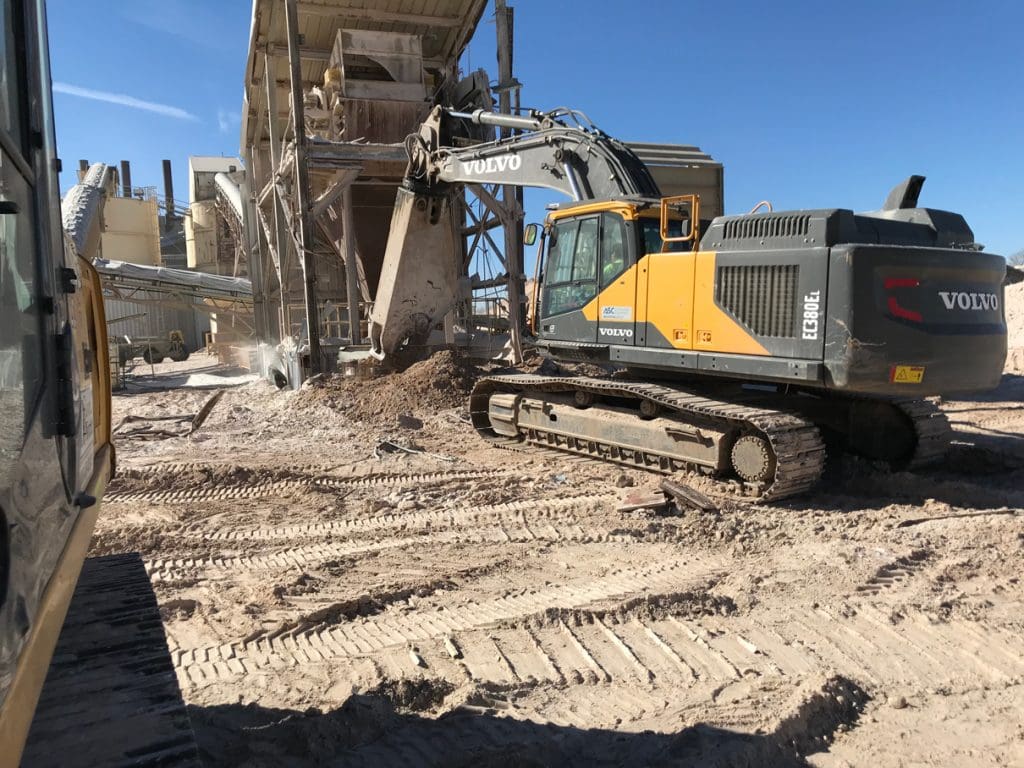
Shutdown windows
The schedule is built around production and shutdown windows, with demolition, decommissioning, and recovery run as one sequence.
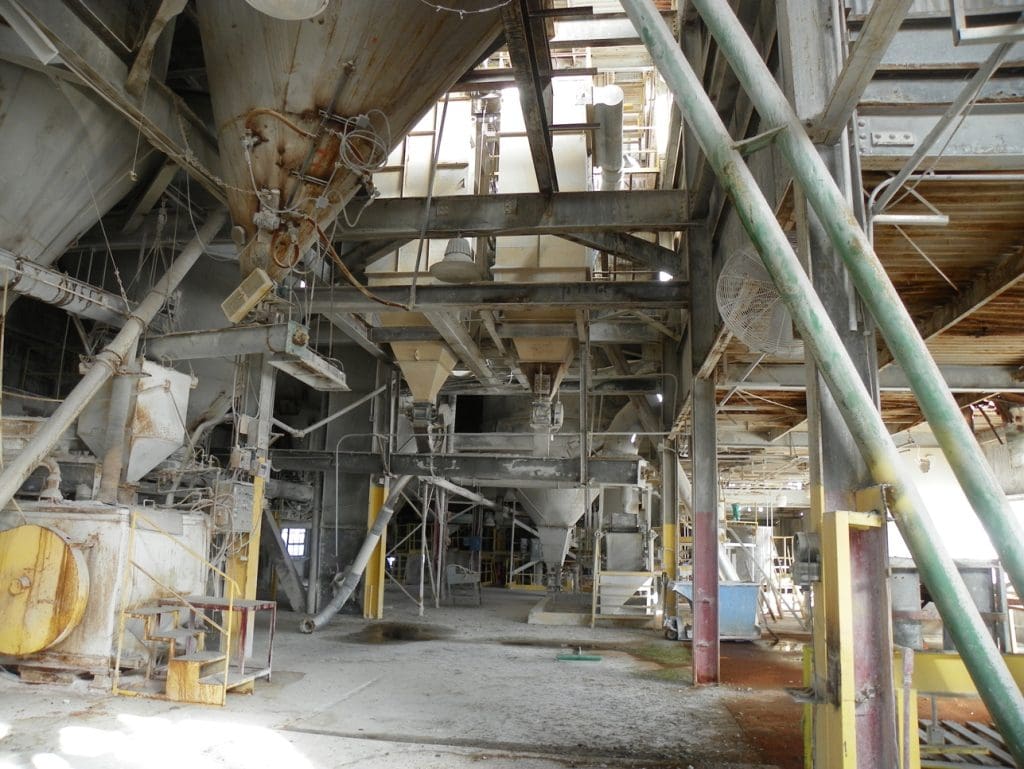
Asset recovery in scope
Equipment and metals are inventoried at the start, and what is recovered can offset the cost of the project.
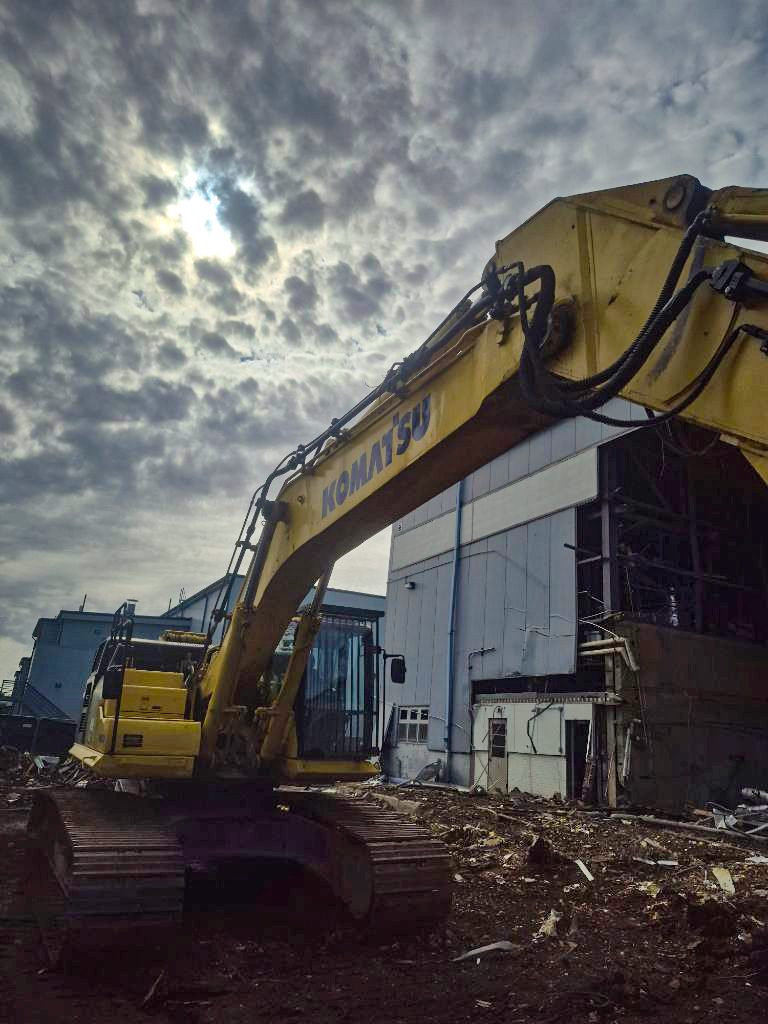
Selective where needed
When part of the plant stays in service, dismantling and selective demolition take out only what is coming down.
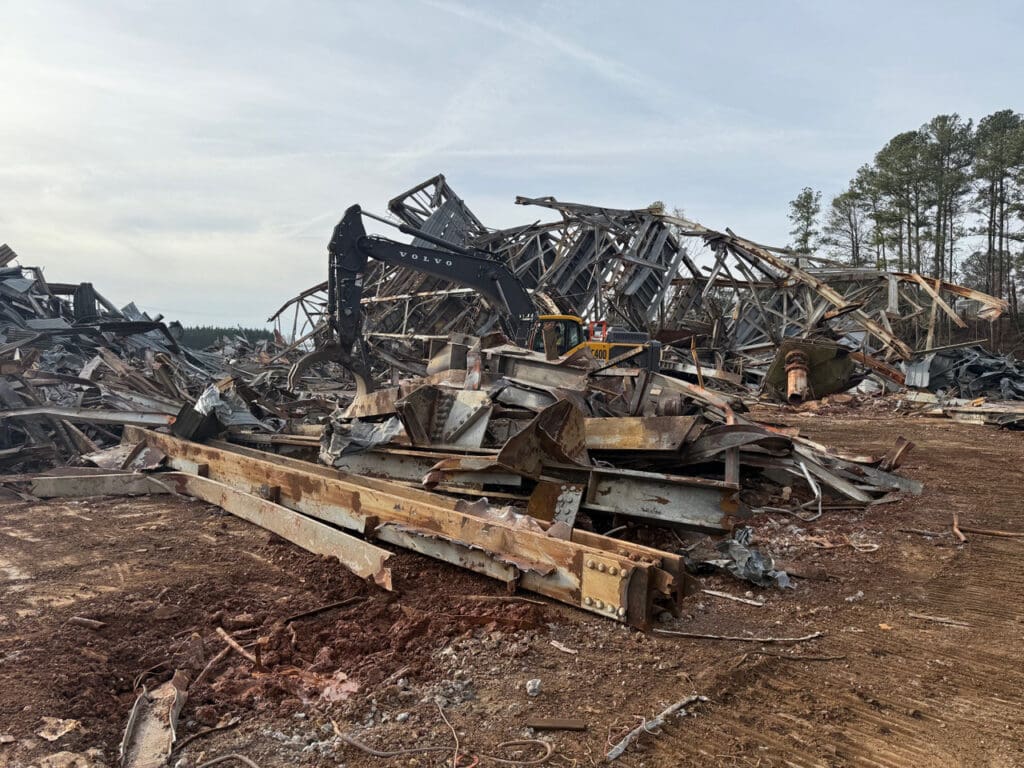
Material management and recycling
Regulated materials are identified and abated before demolition. Recycling is planned in from the start, so ferrous and non-ferrous metals, concrete, asphalt, brick, wood, equipment, and other materials are sorted and sent for reuse or recycling.

Who hires
Who we work for in this market
Plant and operations managers, corporate real estate and environmental teams at manufacturers, owners selling or repurposing industrial property, and general contractors preparing a site for new construction.
Past work includes an engineered wood plant in Duck Hill, MS, a paper manufacturing facility in Augusta, GA, and a metal-finishing plant in Ripley, TN.
Examples of our work
Manufacturing in practice
At a former OSB manufacturing facility in Duck Hill, Mississippi, the work covered structural demolition, asset recovery, and site restoration. At a former paper mill in Augusta, Georgia, it covered facility decommissioning, asset recovery, and structural demolition. Client names stay confidential.
Open a project profile to see how each plant was handled.
Manufacturing
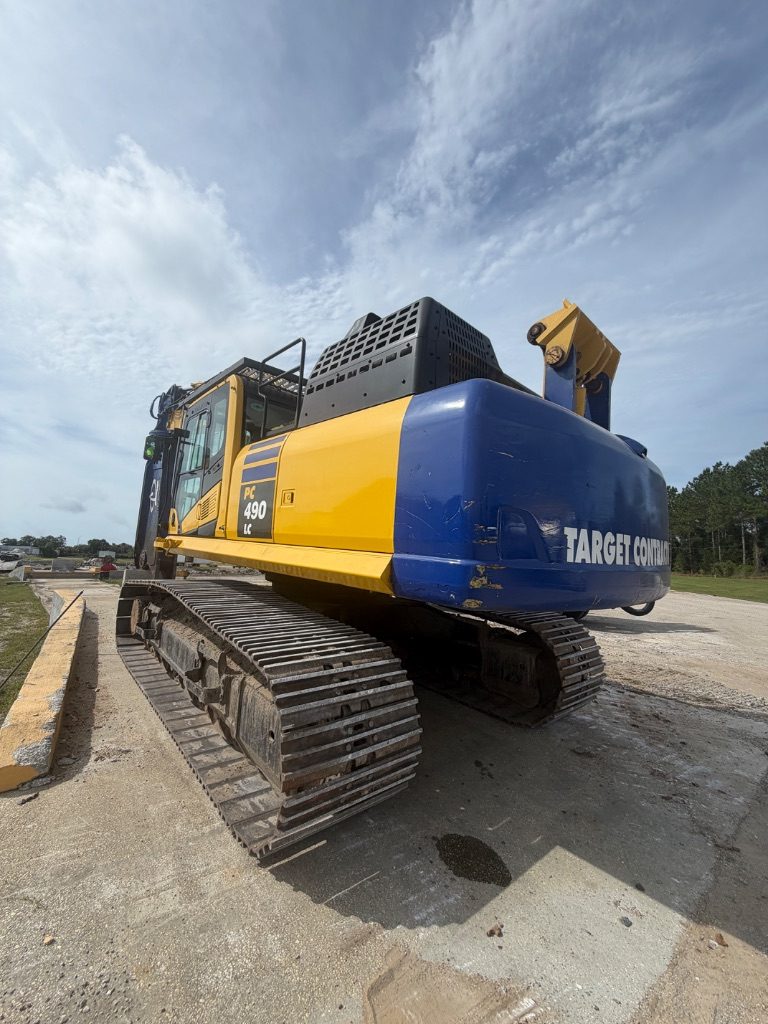
Engineered wood products facility, Duck Hill, MS
Structural demolition, asset recovery, and site restoration of a former OSB manufacturing facility.
Manufacturing
Paper manufacturing facility, Augusta, GA
Facility decommissioning, asset recovery, and structural demolition of a former paper mill.


