
Markets
Energy & Petrochemical
Terminals and tank farms with strict environmental controls. Environmental controls and permitting shape the plan for terminal demolition and site restoration, from the first work plan through closeout, and we sequence the work around the assets that stay in service.
What defines it
Terminals, tank farms, and storage sites where the risk is in the contents.
Energy and petrochemical sites are defined by storage and process equipment: tank farms, terminals, pipe racks, and the foundations and containment beneath them. Many close or change hands in stages, so the work often takes place inside sites that remain active.
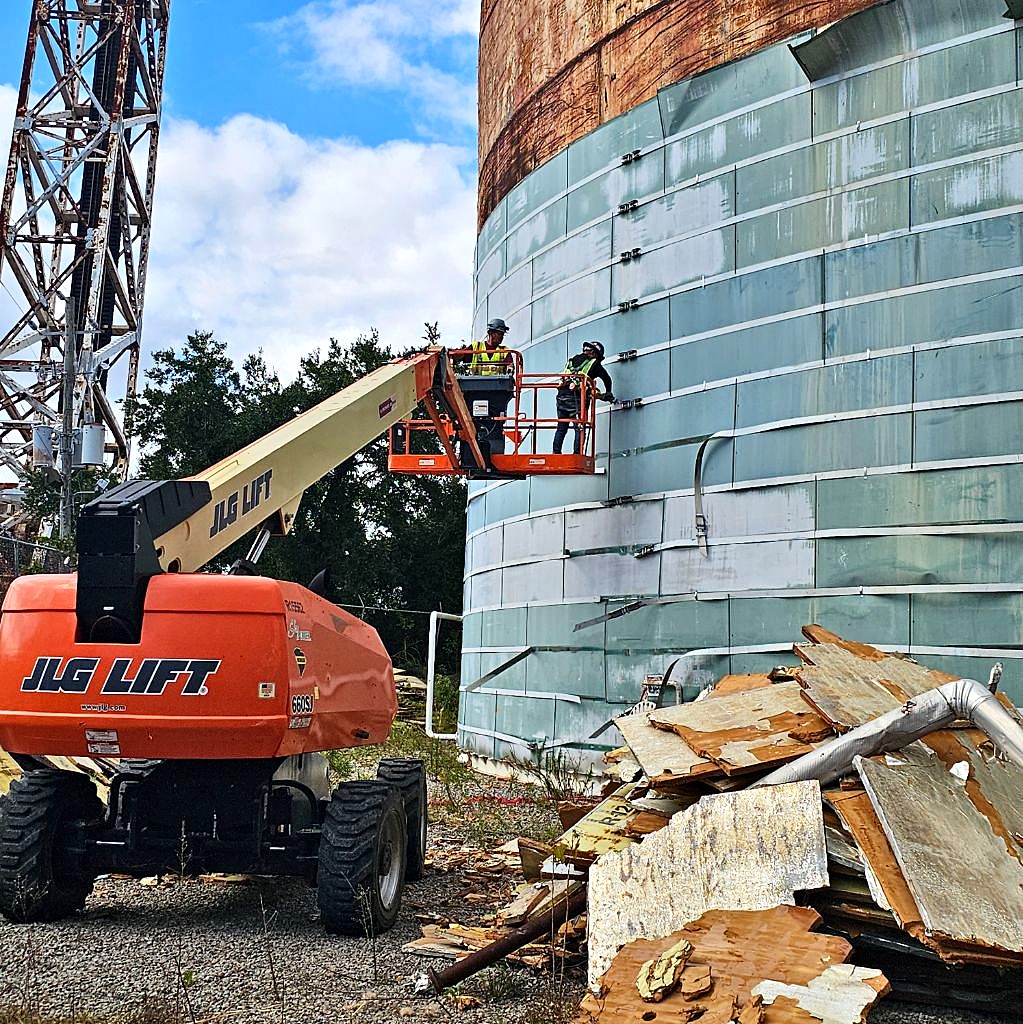
At a terminal in Harvey, LA, we removed eight tanks and their foundations with crane-assisted sequencing around active neighboring assets.
How we plan
- Certified clean. Tanks and lines are cleaned and certified gas-free before cutting or hot work begins.
- Controlled sequencing. Crane-assisted removal is sequenced for congested layouts and active neighboring equipment.
- Everything below grade. Foundations, containment, and underground tanks are removed under the same plan, with soil and waste handled.
- Ready for what is next. The site is restored to the condition the next use requires.
- Recycling and Scrap Management. Steel from tanks and equipment is recovered, recycled, and sold as scrap where practical, which helps offset the cost of the work.

In detail
Each step is adjusted to the site and the project.
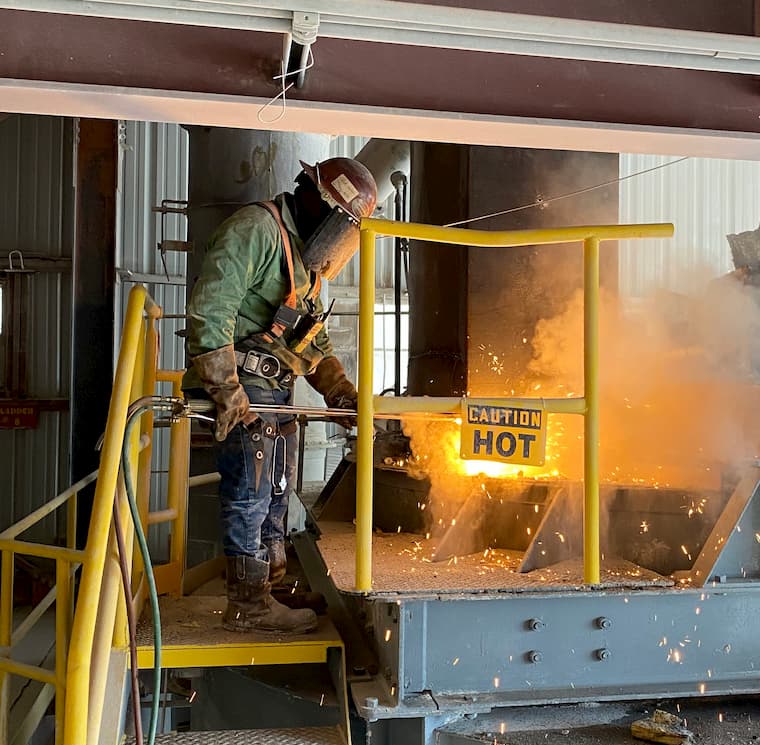
Certified clean
Tanks and lines are cleaned and certified gas-free before any cutting or hot work begins.
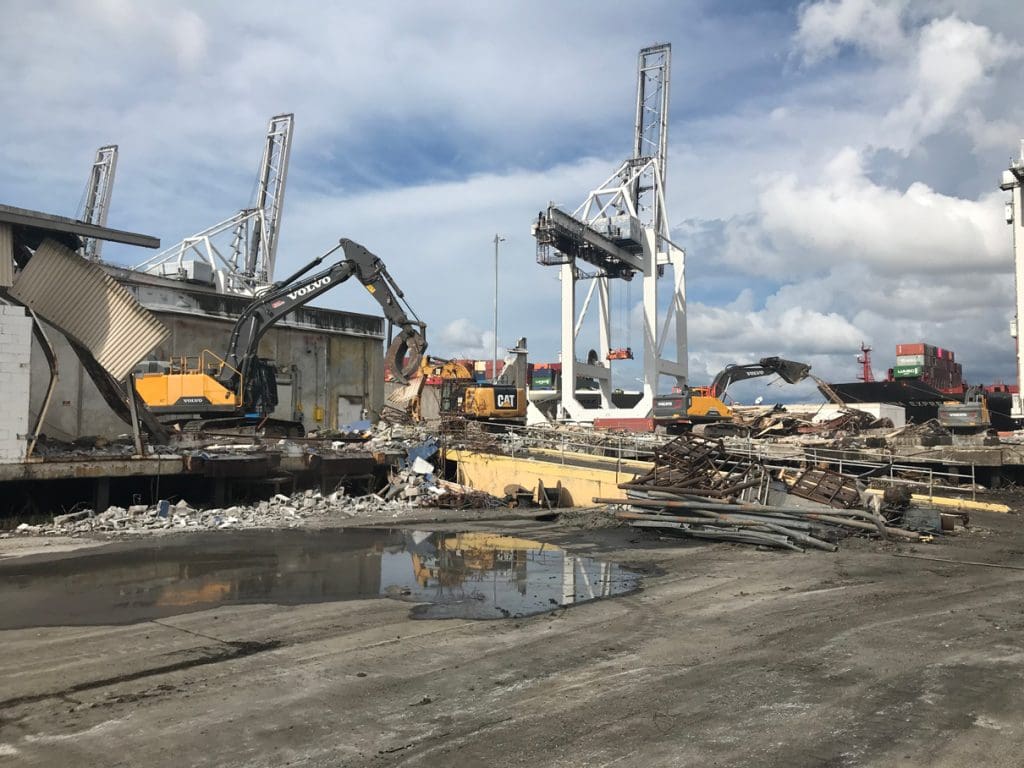
Controlled sequencing
Removal is sequenced for congested layouts and active neighbors, with crane-assisted lifts planned around the equipment that stays in service.
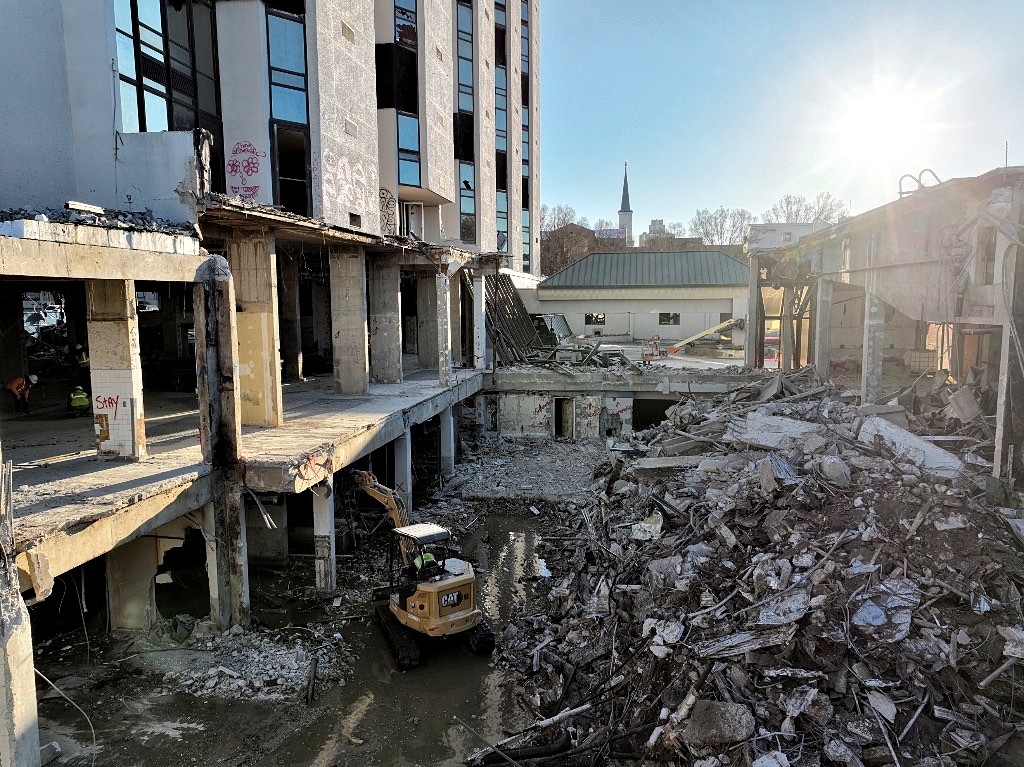
Everything below grade
Foundations, containment, and underground tanks come out under the same plan, with soil and waste handled as part of the work.
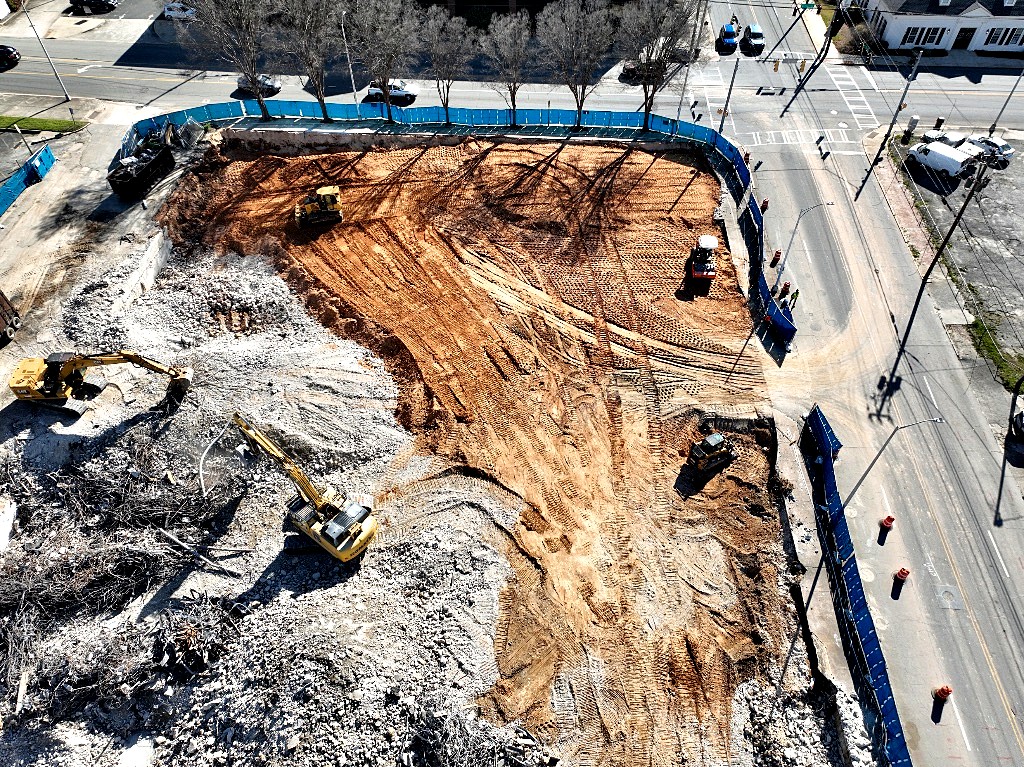
Ready for what is next
Restoration is planned from the start, so the next owner or operator receives the site in the condition the next use requires.
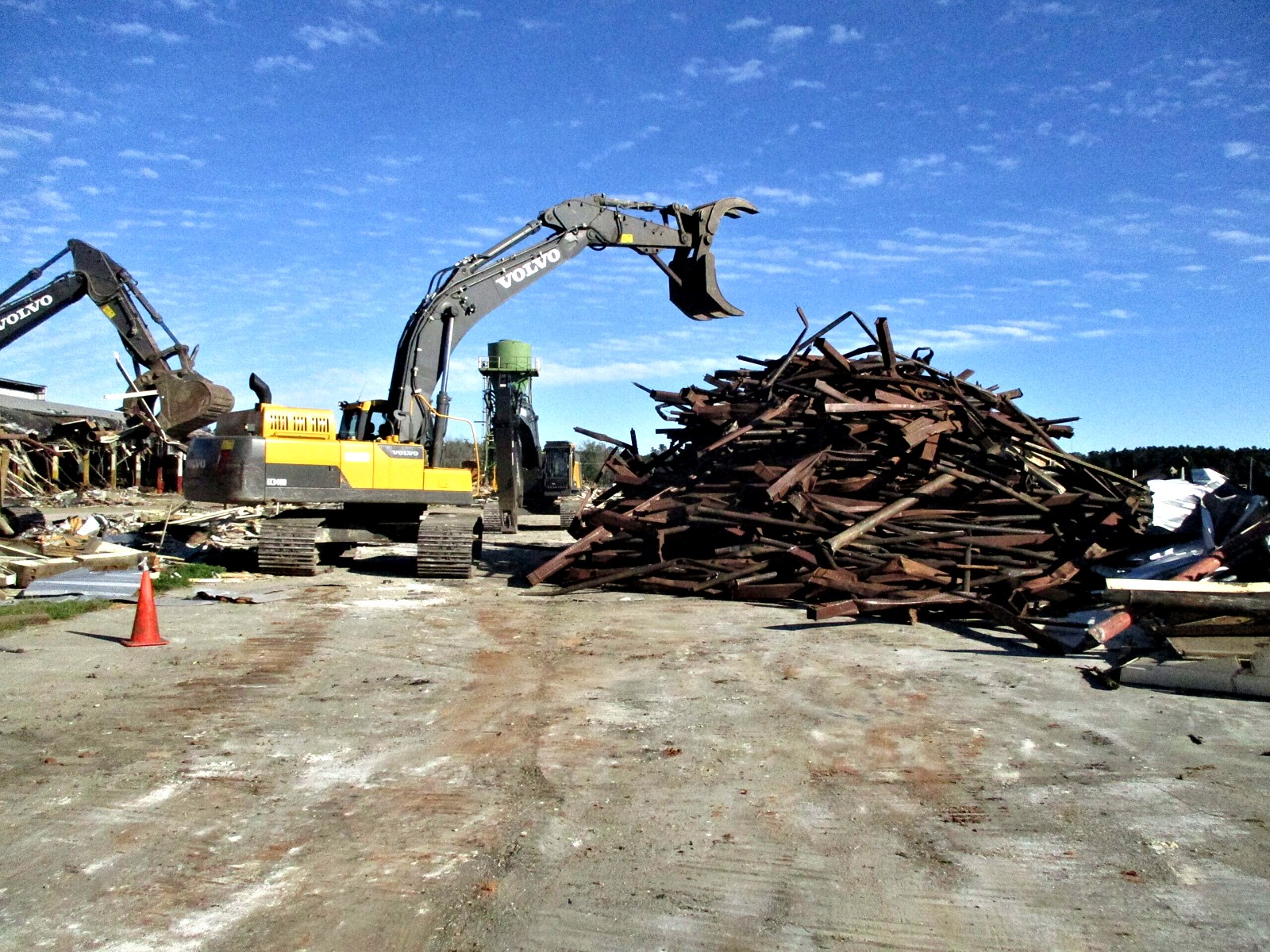
Recycling and Scrap Management
Where practical, tank and equipment steel is recovered, recycled, and sold as scrap, which helps offset the cost of the work.

Who hires
Who we work for in this market
Terminal and tank farm owners and operators, refiners and petrochemical companies, utilities and power producers, and developers who buy former energy sites for redevelopment.
Our energy work includes tank demolition at an active terminal in Harvey, LA, and removal of tanks and equipment at a former petroleum terminal in Wilmington, NC.
Examples of our work
Energy and petrochemical in practice
At a tank farm in Harvey, Louisiana, eight storage tanks and their foundations were removed inside an active, congested terminal. At a former petroleum terminal in Wilmington, North Carolina, tanks and equipment were removed, with salvage value maximized, to prepare the site for redevelopment.
Open a project profile to see how each terminal was sequenced.
Energy & Petrochemical
Tank farm, Harvey, LA
Eight storage tanks and their foundations removed inside an active, congested terminal.
Energy & Petrochemical
Former terminal, Wilmington, NC
Storage tanks and equipment removed, with salvage value maximized, to prepare a former petroleum terminal for redevelopment.


