Markets
Heavy Industrial & Chemical
Tank farms, process plants, and regulated materials. On these sites, hazards and environmental controls shape every decision, so we start planning decommissioning, demolition, and site restoration before any field work and take the time to get the order right.
What defines it
Process plants where the hazards come out before the structure does.
Chemical and heavy industrial plants are built around process equipment: tanks, vessels, piping, and structures that have held hazardous materials for decades. Demolition cannot begin until systems are drained, cleaned, isolated, and verified safe.
This work depends on people who understand process plants. Our supervisors hold HAZWOPER training, and environmental coordination runs alongside demolition from the first day.
How we plan
- Clean and isolate first. Lines, vessels, and tanks are purged, isolated, and verified safe before cutting or hot work begins.
- Neighbors in mind. Exclusion zones, permits, and monitoring are agreed with the facility owner before mobilization.
- Right-sized methods. Equipment, cranes, and rigging are matched to the structure, usually mechanical dismantling next to live units.
- Tracked waste. Waste is profiled, manifested, and followed to approved disposal.
- Environmental coordination. Contaminated material management, laboratory testing, and regulatory coordination are planned with the demolition sequence.

In detail
Each step is adjusted to the site and the project.
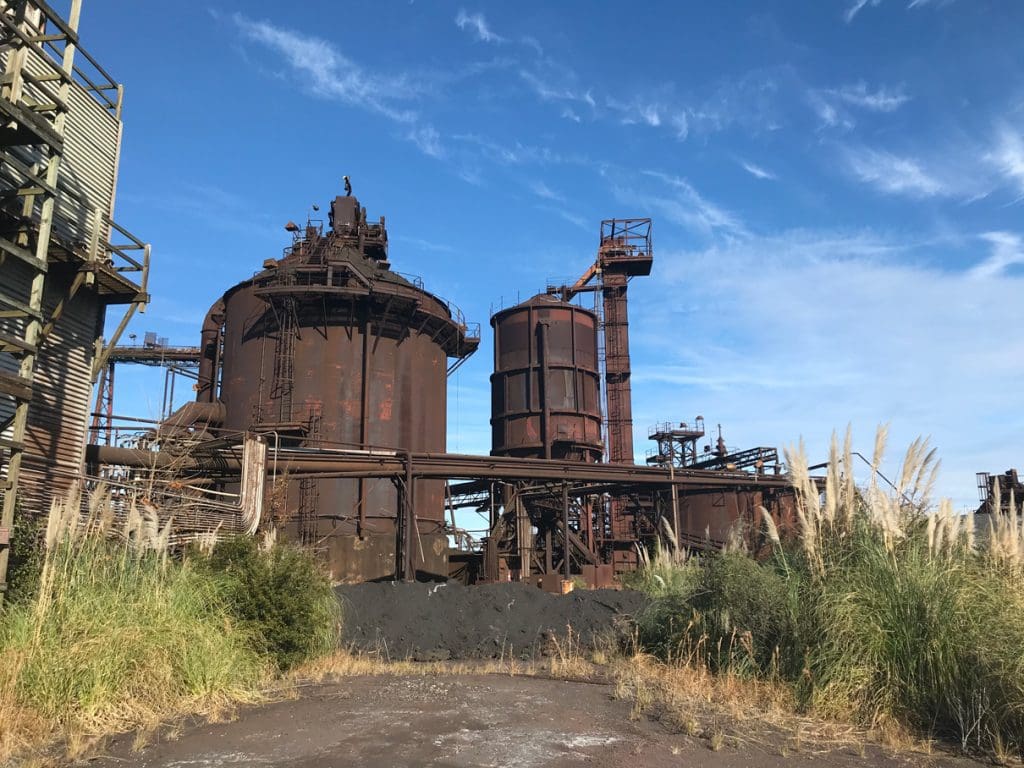
Clean and isolate first
Lines, vessels, and tanks are purged and isolated, and verified before any cutting or hot work starts.
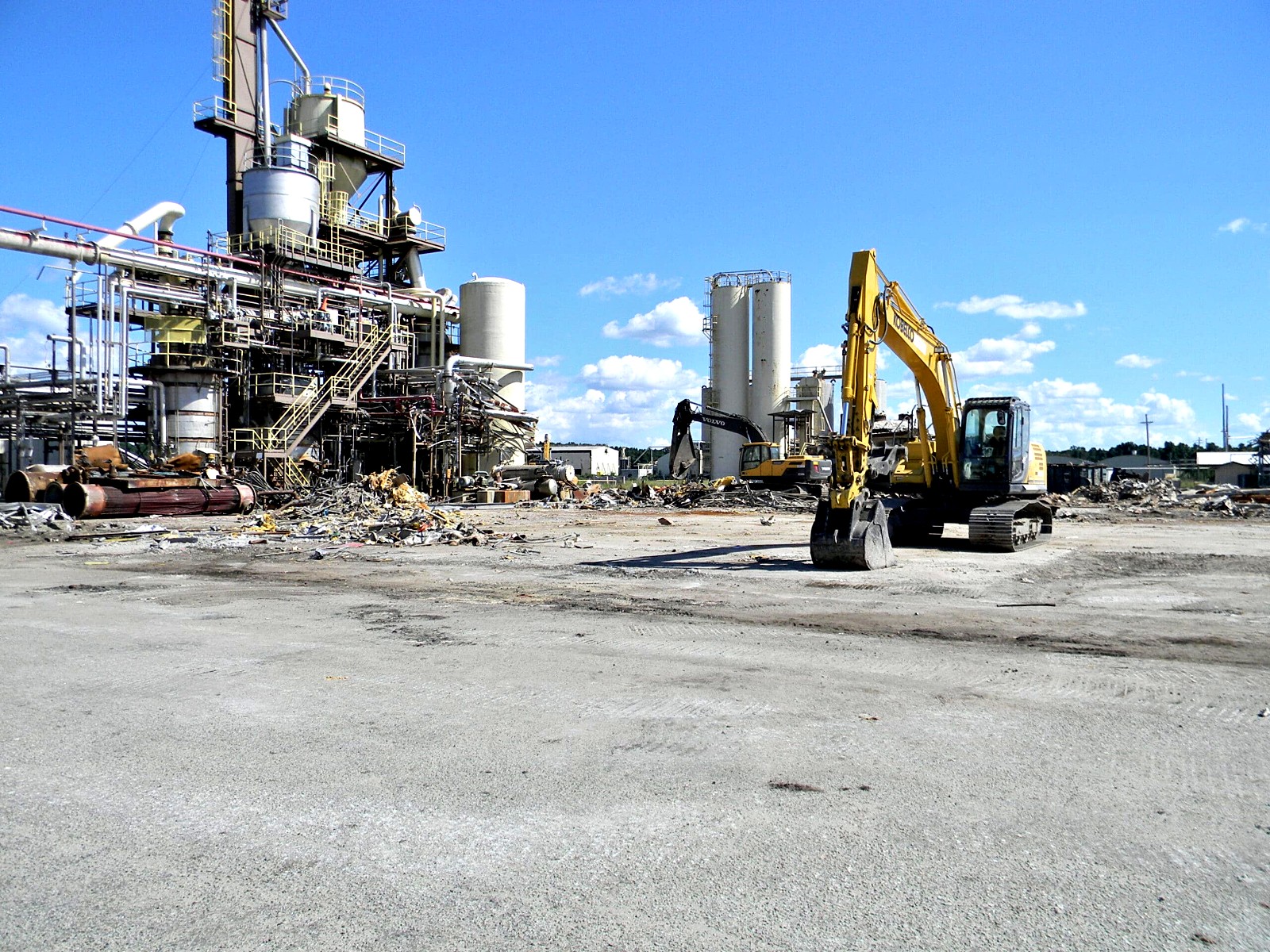
Neighbors in mind
Exclusion zones, permits, and monitoring are agreed with the facility owner before mobilization, which matters most when live units sit next to the work.
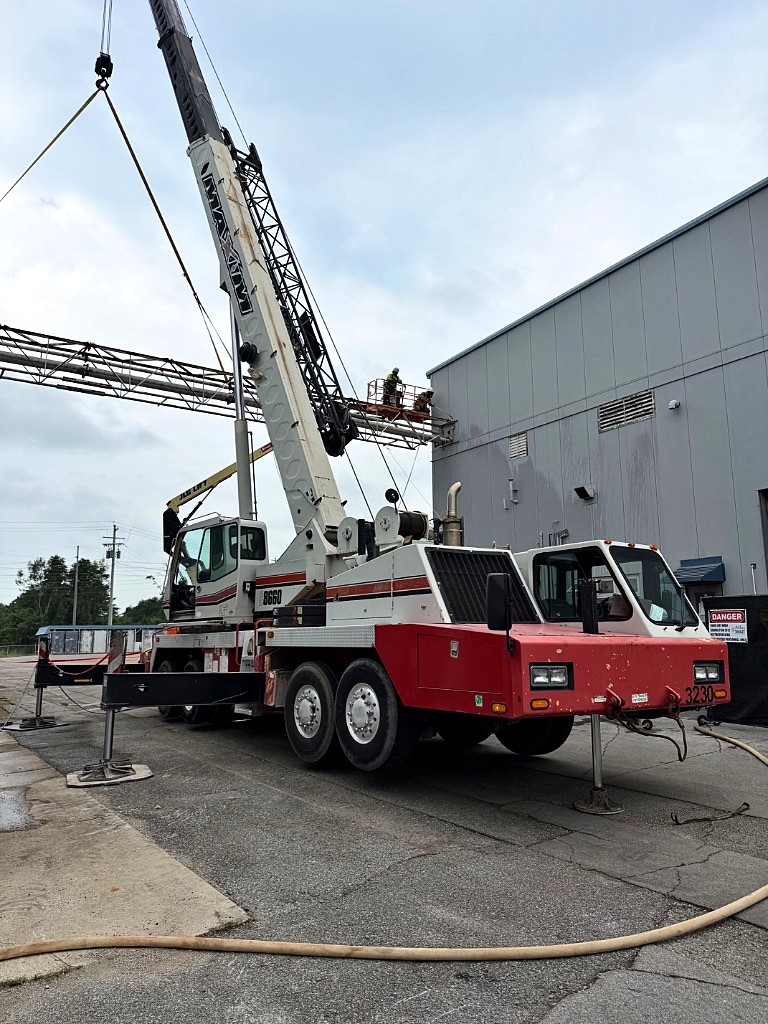
Right-sized methods
Equipment, cranes, and rigging are matched to each structure, most often mechanical dismantling next to units that stay live.
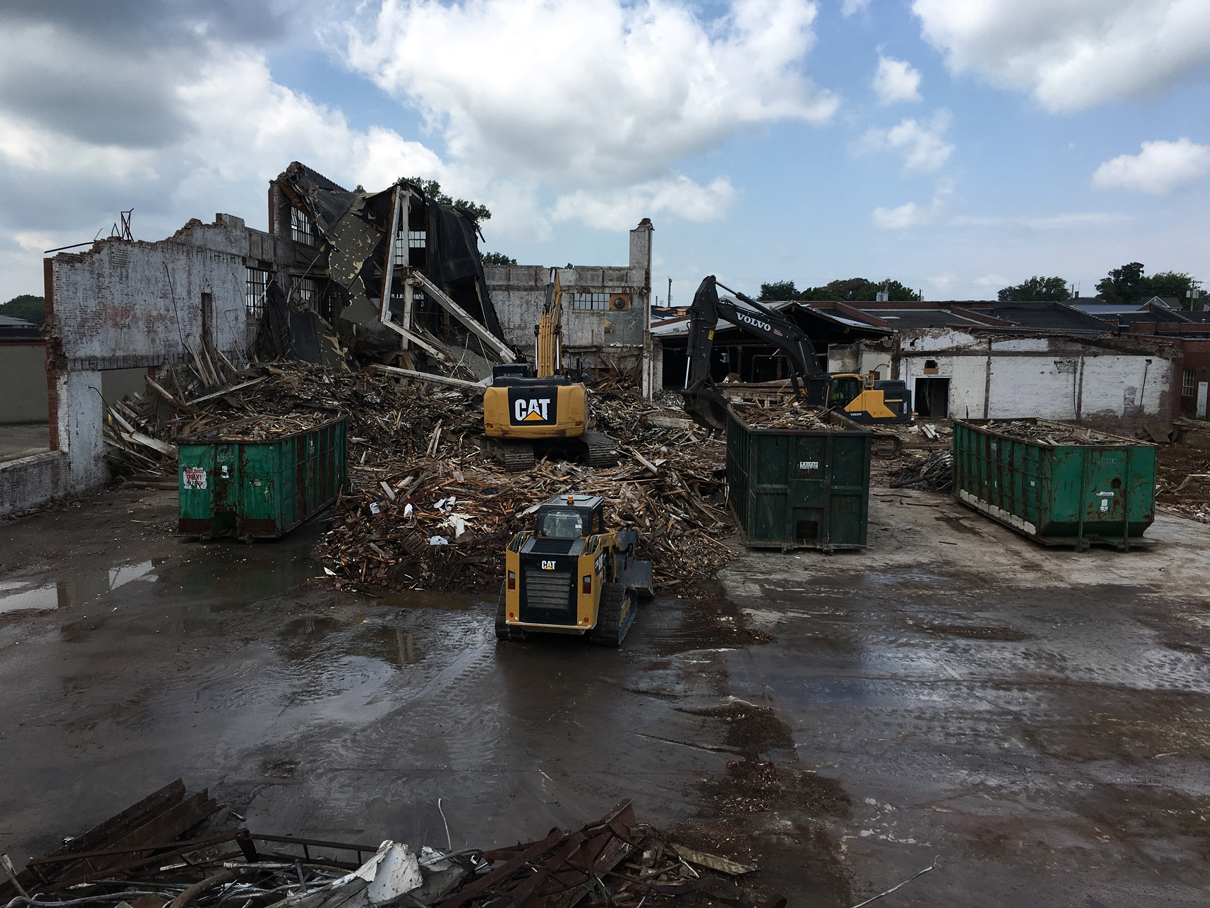
Tracked waste
Waste is profiled and manifested, then followed to approved disposal.
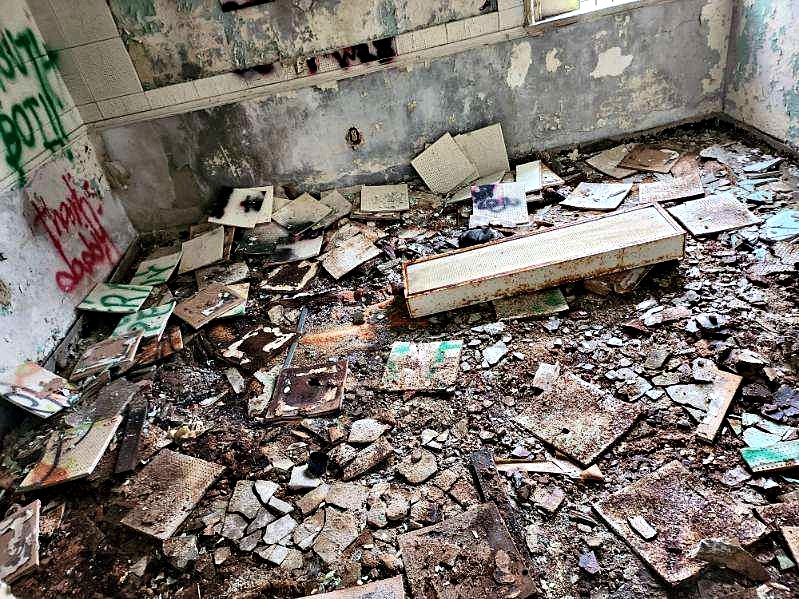
Environmental coordination
Contaminated material management, laboratory testing, and regulatory coordination are planned into the demolition sequence, not added afterward.

Who hires
Who we work for in this market
Plant managers, EHS and engineering teams, and corporate environmental or real estate groups at chemical and heavy industrial owners, along with engineering firms and general contractors managing decommissioning programs.
Past work includes a caustic tank farm inside an operating industrial facility in Memphis, TN, and demolition planning for a decommissioned rubber plant in Odessa, TX.
Examples of our work
Heavy industrial in practice
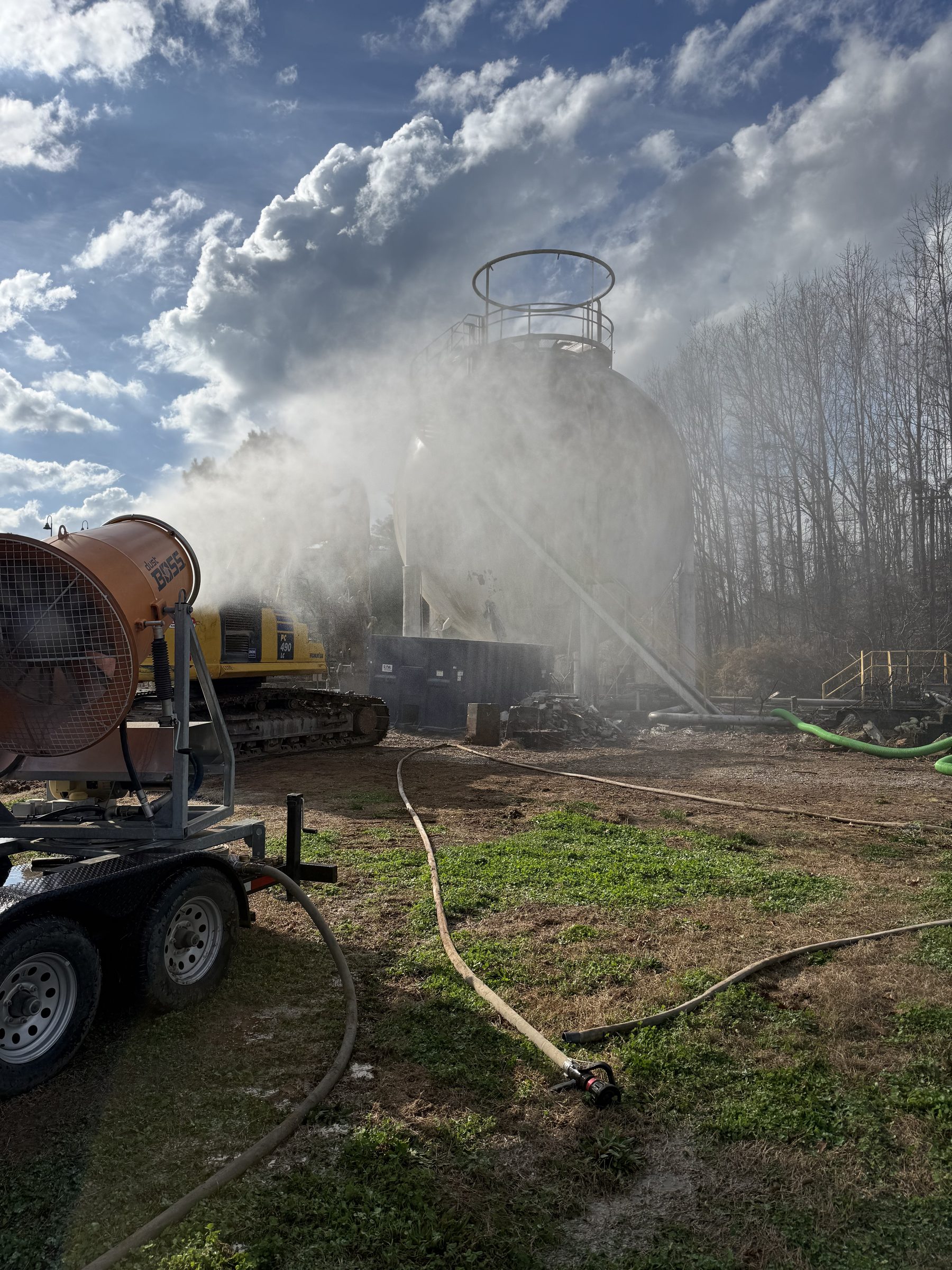
At a caustic tank farm in Memphis, Tennessee, demolition took place inside an active industrial facility, with environmental controls and contaminated material management. At a decommissioned rubber plant in Odessa, Texas, the scope covered salvage and demolition execution planning. Client names stay confidential.
Open a project profile to see how each site was planned around its hazards.
Heavy Industrial
Caustic tank farm, Memphis, TN
Demolition inside an active industrial facility, with environmental controls and contaminated material management.

Heavy Industrial
Rubber plant, Odessa, TX
Salvage and demolition execution planning for a decommissioned industrial plant.


