
Our Approach
Project Delivery
Every project follows the same five steps, adjusted to each site: plan, review, mobilize, control, and close out. We write site-specific work plans before any field work, the owner reviews them before we mobilize, and the site is handed over in the condition we agreed to. We start by listening, and at every step you know what we are doing and what you will receive.
At a glance
Five steps from plan to closeout.
Step 1 · Plan
Site-specific plans before any field work.
Every project starts with listening to what the owner needs, then written plans built for that site. Depending on the work, they cover accident prevention, health and safety, asbestos abatement, demolition, explosive demolition, engineering surveys, stormwater pollution prevention, site security, and site restoration. Planning also decides how equipment and metals will be recovered and where waste will go.
What the owner receives
- Written work plans and subplans for each part of the job
- A schedule built around the site’s operating constraints
- A defined scope for recovery, recycling, and disposal


Step 2 · Review
Owner review before we mobilize.
Plans, submittals, and permit applications go to the owner for review, and on federal work to the government representative. Questions are settled on paper, not in the field, and work does not start until the plan is accepted.
What the owner receives
- Submittals and permit applications
- Activity hazard analyses for each phase of work
- An agreed approach to access, utilities, and schedule
Step 3 · Mobilize
Logistics matched to real site conditions.
Mobilization is sequenced against what is actually on site: utilities, neighbors, access control, live operations, and shutdown windows. Equipment, containment, dust and water controls, and crews arrive in the order the plan calls for. We can mobilize quickly for accelerated and contingency schedules.
What the owner receives
- Site setup with access control, security, and exclusion zones
- Utility isolation planned before work begins
- A mobilization sequence the owner has seen in advance


Step 4 · Control
Field control, inspection, and environmental coordination.
A superintendent and a quality control lead run the site every day. Inspections check the work against the plan before, during, and after each phase, and environmental monitoring, waste tracking, and regulatory coordination run alongside demolition.
What the owner receives
- Daily reports and inspection records
- Waste profiles, manifests, and disposal tracking
- Environmental monitoring where the work requires it
Step 5 · Close out
A documented closeout and a site handed over as agreed.
Closeout is planned from the first day and gets the same attention as day one. We submit tests, reports, and records on schedule, restore the site to the condition the next use requires, and document recycling and disposal.
What the owner receives
- A closeout package of reports, test results, and records
- Recycling and disposal documentation
- A restored site, with grading, drainage, and erosion control

Examples of our work
Delivery in practice
Two projects that show the sequence at work on sites with little room for error.
At NASA Marshall, we developed plans for nine areas of the work, from accident prevention to site restoration, before an 11-story building came down on an active federal facility. In Fargo, abatement of asbestos, universal waste, refrigerants, PCB equipment, and fuel tanks was scheduled ahead of the implosion of a 22-story tower in a dense downtown setting.
Open a project profile to see how the plan played out.
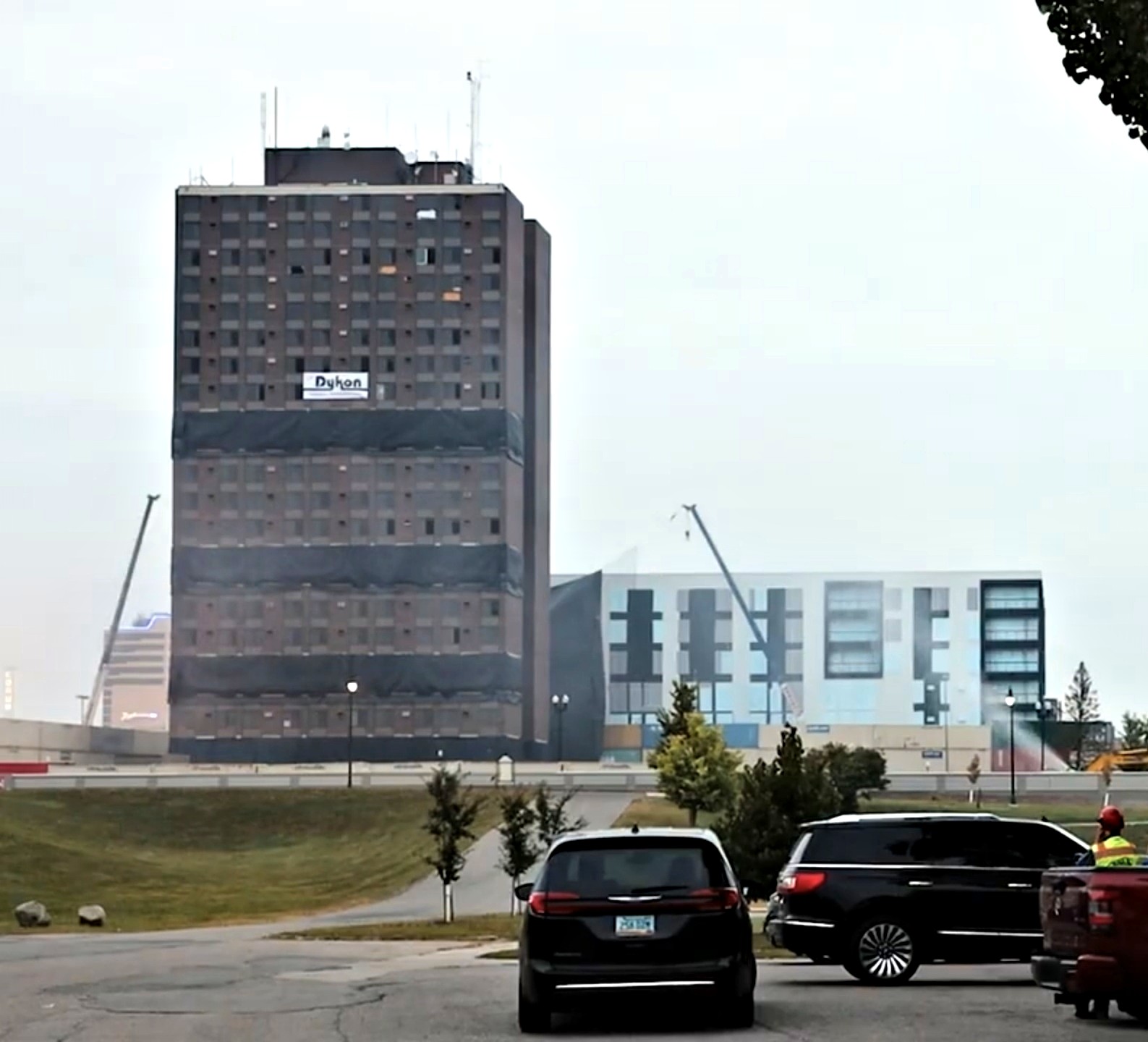
Redevelopment · Controlled demolition
Lashkowitz High Rise, Fargo, ND
Abatement, implosion, and site restoration of a 22-story, 151,395 SF apartment building in a dense downtown setting, clearing the site for redevelopment.
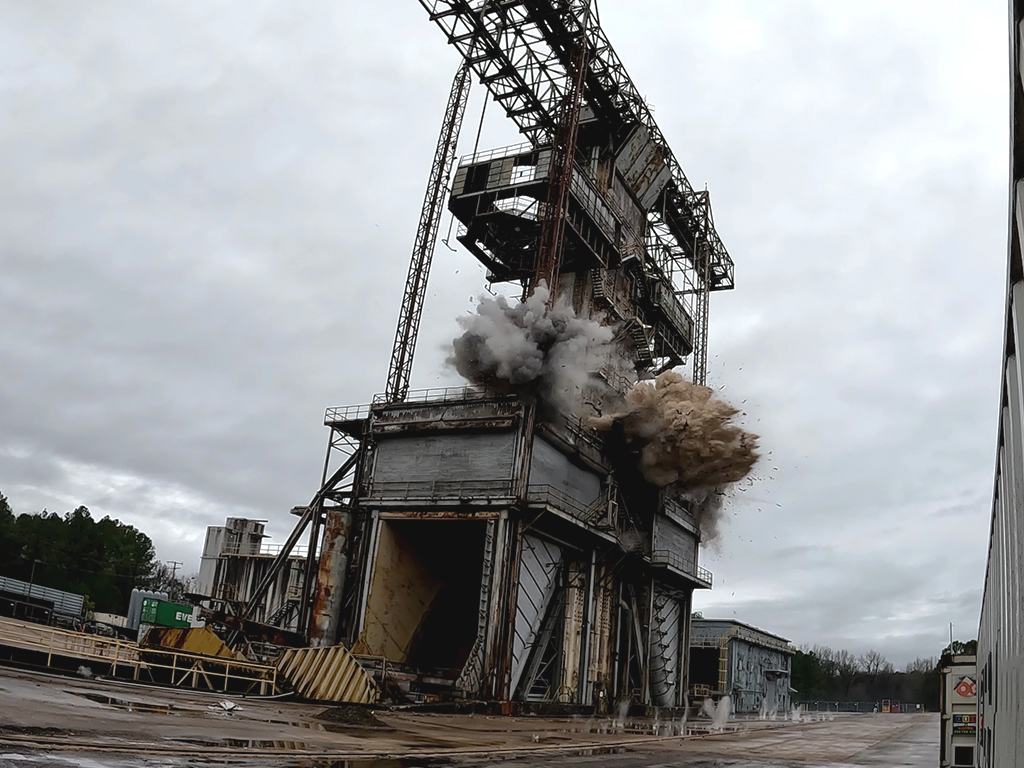
Federal & Defense
NASA Marshall Space Flight Center
Asbestos abatement and implosion of an 11-story, 233,519 SF building, part of ongoing work across 28 contracted facilities.
Go deeper
What stands behind the plan
The sequence depends on safety planning, environmental control, and a team that self-performs most of the work.
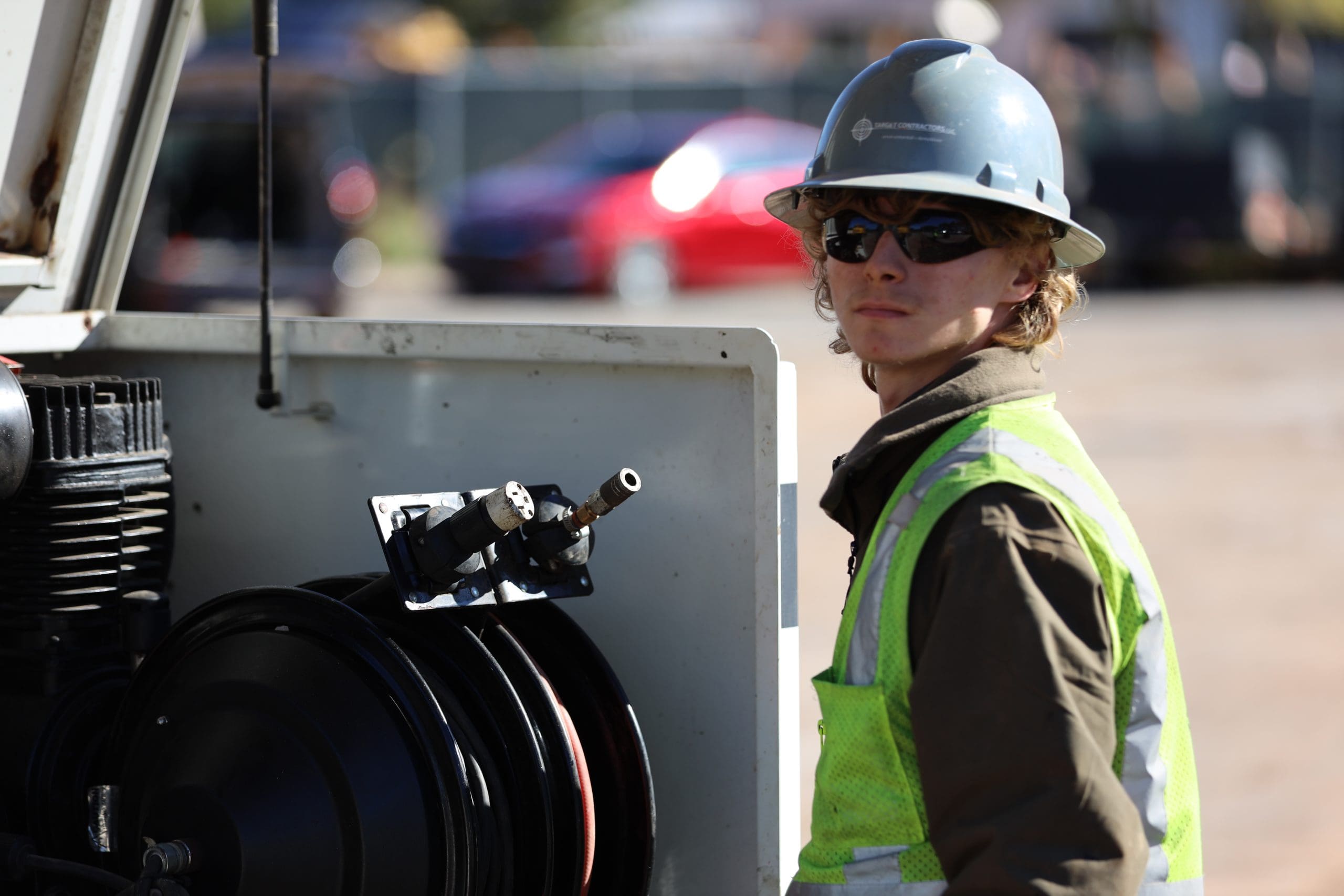
Safety & Environmental
How training, environmental control, and compliance sit inside the plan and the schedule, and the proof behind them.
Our Approach
The principles behind every project: plan before acting, certainty over speed, and adaptability.
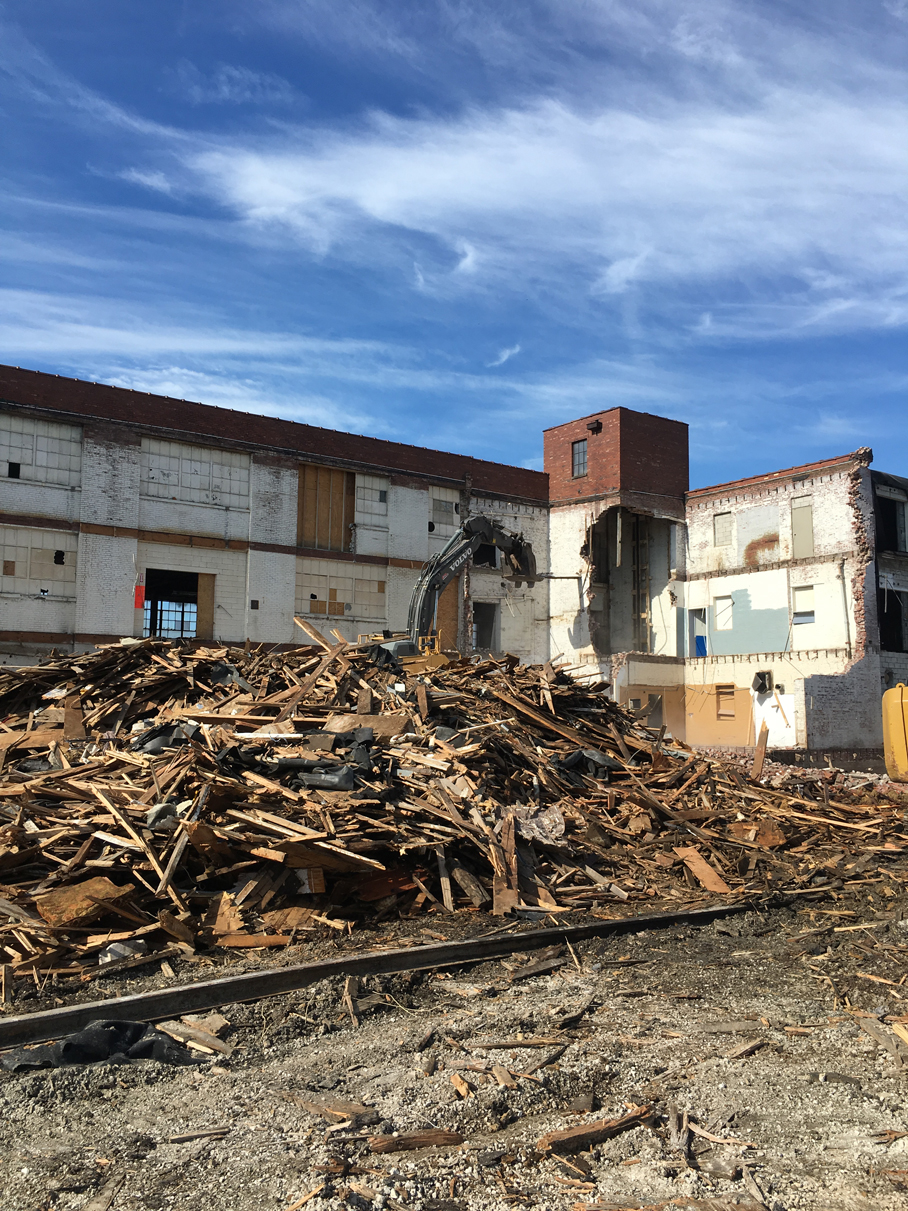
Capabilities
The services each project draws on: demolition, asset recovery, and environmental services.


